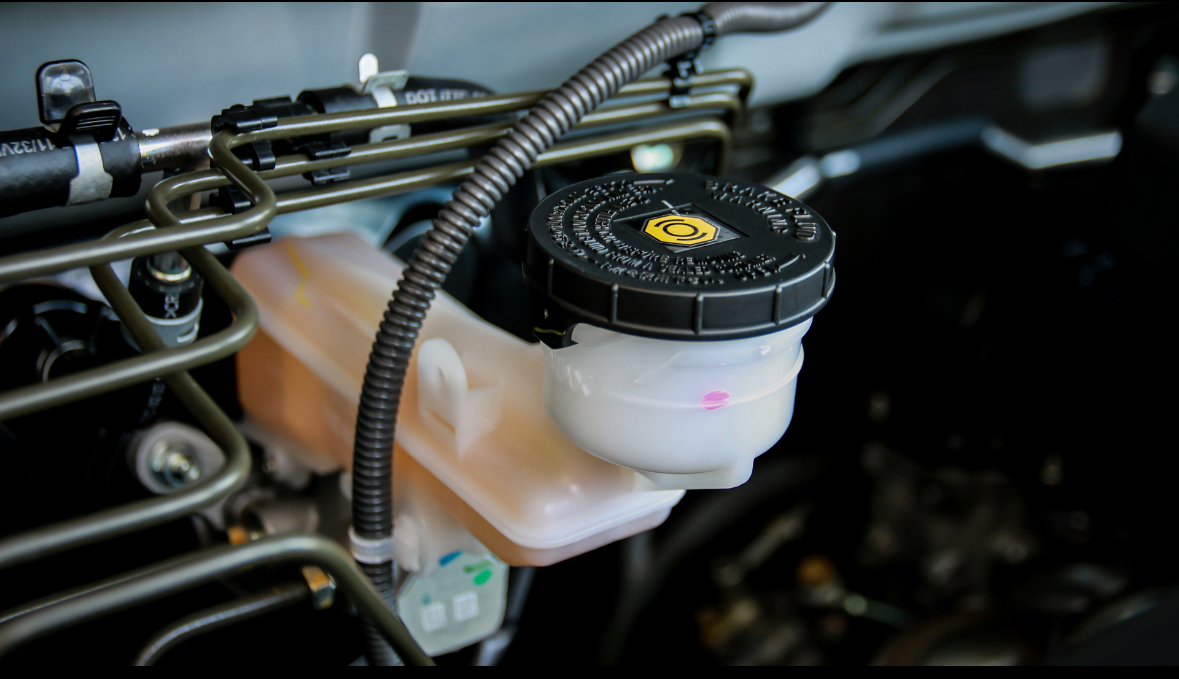
Brakes are the most important safety feature in any car, and brake fluid plays a crucial role in making sure your brakes respond instantly every time you press the pedal. Unfortunately, many drivers ignore brake fluid until a serious problem shows up.
Brake fluid is responsible for transferring the pressure from your brake pedal to the wheels. Over time, it slowly absorbs moisture from the air. This may sound harmless, but moisture lowers the fluid’s boiling point. During hard braking, long highway drives, or downhill runs, overheated brake fluid can lead to weak braking, brake fade, or even brake failure — which can be extremely dangerous.
🔧 How to Check Brake Fluid (Takes Just 2 Minutes)
Checking brake fluid is simple and doesn’t require any tools.
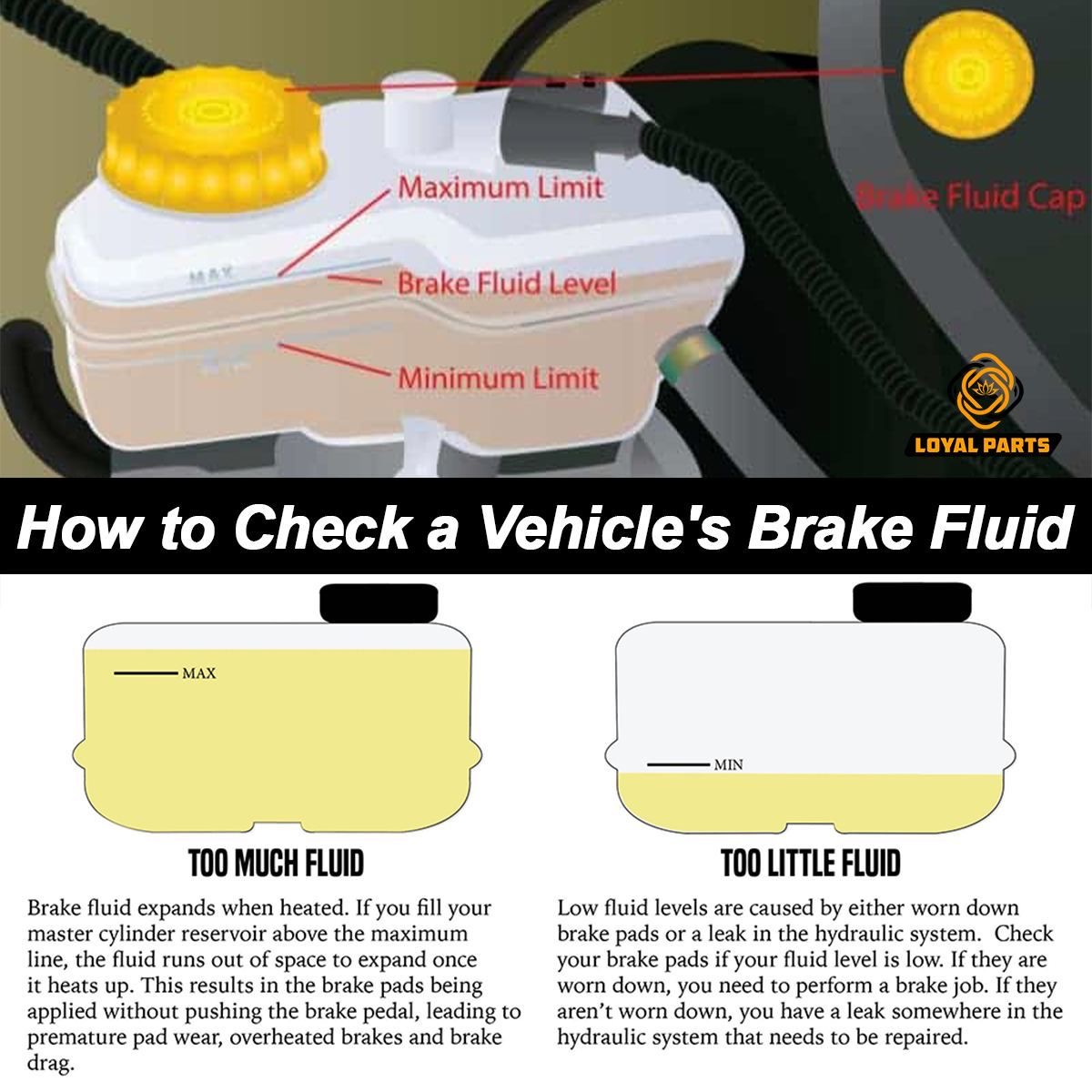
Open your car’s bonnet and look for the brake fluid reservoir — usually a small transparent container located near the driver-side firewall. You’ll notice MIN and MAX markings on the reservoir.
The fluid level should always stay between these two marks.
- If the level is close to or below MIN, it could mean worn brake pads or a fluid leak — both need immediate inspection.
- Also pay attention to the color of the fluid. Fresh brake fluid is clear or light yellow. If it looks dark brown or almost black, the fluid is contaminated and should be replaced, even if the level looks fine.
⏰ When Should Brake Fluid Be Replaced?
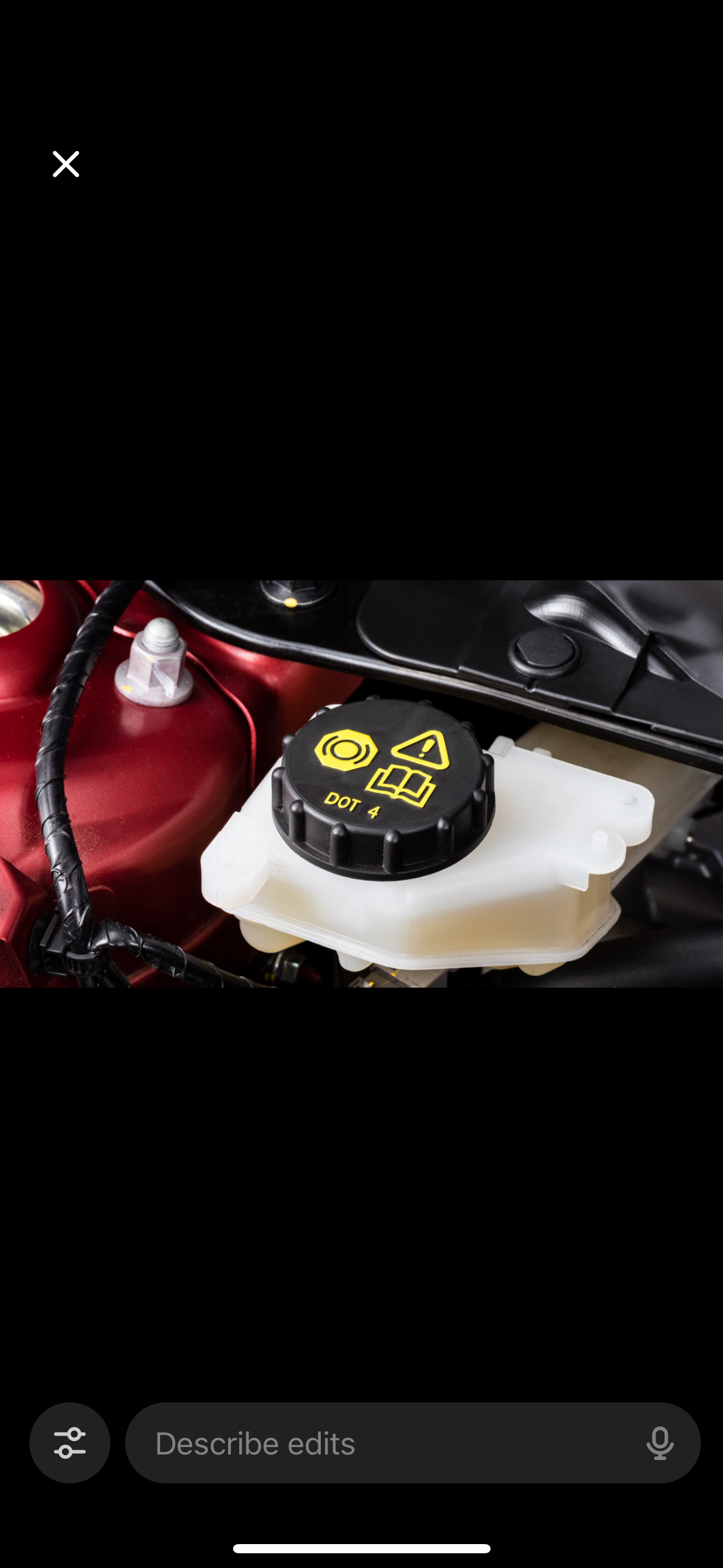
Most car manufacturers recommend replacing brake fluid every 2 years or 30,000–40,000 km, regardless of how often the car is driven. Always use the manufacturer-recommended grade, such as DOT 3 or DOT 4. Using the wrong or mixed brake fluid can damage seals and affect the entire braking system.
⚠️ Don’t Ignore These Warning Signs
- Soft or spongy brake pedal
- Delayed braking response
- Brake warning light on the dashboard
Ignoring these signs can put you and others at serious risk.
✅ Final Tip
A small habit like regularly checking your brake fluid can prevent major accidents and costly repairs. It improves braking performance and ensures peace of mind every time you drive.
👉 For more practical car tips and auto updates,
visit DaimaMotor.com 🚘